Commercial Roofing Contractor in Tampa, FL Built for Storms, Sun & Uptime
Tampa is hard on low-slope roofs. Summer afternoon storms can drop 1–3 inches of rain in an hour, dark membranes bake far above the 90°F air temperature, and hurricane season runs six months a year. After Ian, Idalia, Helene and Milton, insurers are also looking hard at roof age and condition before they renew. Tampa Commercial Roofing Systems repairs, restores and replaces TPO, PVC, modified bitumen and metal roofs on offices, warehouses, shopping centers and industrial buildings. Every project focuses on what keeps a Tampa roof working: wind uplift ratings, tight seams, and drainage that can handle a July downpour.
We work on the buildings that make up Tampa Bay's commercial inventory. That includes 1970s BUR strip centers on Dale Mabry, tilt-wall warehouses along the I-4 corridor, and medical offices and retail plazas in Brandon and Carrollwood. We also serve facilities in Temple Terrace, Gibsonton and the rest of our 20-mile radius. Property managers get detailed inspection reports with photos, ongoing maintenance programs, and phased schedules that keep tenants open and loading docks running, which helps a lot when ownership is out of state.
- ✓Bonded commercial roofing contractor
- ✓Fully insured for commercial projects
- ✓Financing available for repairs, restorations and replacements
- ✓Serving facilities within a 20-mile radius of Tampa
- ✓TPO, PVC, modified bitumen, metal and coating systems
- ✓Detailed photo inspection reports for owners and insurers
- ✓Phased scheduling for occupied buildings
Request Your Free Estimate
No obligation. Fast, honest quotes.
Thank you — your request was sent!
A member of the Tampa Commercial Roofing Systems team will reach out shortly. Need help now? Call (813) 536-6670.
Why Tampa Commercial Buildings Need a Specialized Roofing Contractor
A flat roof that would last 25 years in a mild climate can fail much sooner on Tampa Bay. Heat, lightning, salt air, sinkhole-prone soils, a strict state building code and a tight insurance market all hit commercial roofs at once. Here's what that means for your building.
Climate: Rain, Heat, Lightning and Hurricane Wind
Tampa gets roughly 46–50 inches of rain a year, and most of it falls from June through September in daily thunderstorms. A storm that drops 2 inches in an hour will overwhelm a clogged internal drain or an undersized scupper in minutes. Summer highs stay around 90–92°F for months with dew points in the 70s, and dark membranes run far hotter than that. When a storm hits a hot roof, the sudden cooling flexes seams every day. At 28°N, UV exposure is high all year, which speeds up BUR oxidation and plasticizer loss in older PVC. Tampa Bay is also known as the lightning capital of North America. Hillsborough design wind speeds run about 140–150+ mph under ASCE 7, and perimeter and corner zones fail first in a hurricane. Milton's damage across the metro in 2024 showed how that happens.
Built Environment: Several Generations of Roofs Aging Out Together
Tampa's commercial roofs come from very different eras. Ybor City's brick cigar factories have low-slope roofs hidden behind parapets. Postwar strip centers and warehouses along Kennedy, Hillsborough and Fowler often still carry tar-and-gravel or multi-ply BUR over lightweight insulating concrete. Tilt-wall and CMU buildings from the 1980s–2000s in Westshore, Town 'n' Country, Oldsmar, the Mango/Seffner I-4 corridor and Port Redwing usually have mod-bit or early single-ply roofs over steel decks, and many are now past their service life. Newer distribution centers in east Hillsborough use TPO and PVC. Across all of these we see alligatored BUR, split mod-bit seams, shrinking first-generation TPO, rusted coastal decks, and edge metal that doesn't meet current ANSI/SPRI ES-1 uplift testing.
Regulatory and Insurance Context
Reroofing in Tampa is governed by the Florida Building Code, 8th Edition (2023). Roof assemblies need Florida Product Approval and fastening patterns designed to ASCE 7 wind loads. You'll need a permit from City of Tampa Construction Services, Hillsborough County Development Services (Brandon, Riverview, Lutz and other unincorporated areas), the City of Temple Terrace, or Pinellas jurisdictions such as Oldsmar and Safety Harbor. Reroofs must also meet Florida Energy Code R-values. Visible changes in Ybor City, Hyde Park, Tampa Heights and Seminole Heights go through the Barrio Latino Commission or the Architectural Review Commission. After SB 2-A, carriers routinely ask for roof condition reports, and post-Surfside laws push condo associations of three stories or more to fund roof reserves.
Market and Demographic Pressure
Hillsborough County has roughly 1.5 million residents, and the metro tops 3 million. The building base is broad: Port Tampa Bay, the Westshore office market, the Water Street redevelopment, major hospital systems, USF, MacDill AFB, and fast-growing logistics along I-4 and I-75. Many owners are REITs or out-of-state investors who can't walk their own roofs. Their decisions come down to insurability, warranty length, storm readiness and energy savings. That makes documentation, drone and photo reporting, and planned maintenance just as valuable as the roofing work itself.
Common Commercial Roof Problems in Tampa Bay
Most commercial roof failures we see in Hillsborough County follow predictable patterns, driven by heat, water volume, wind and building age. If you know the warning signs, you can catch a $1,500 repair before it turns into a $150,000 replacement or an insurance non-renewal. These are the problems that show up most often.
Wind Uplift Damage at Perimeters, Corners and Coping Emergency
Hurricane and severe thunderstorm winds create the strongest suction at roof edges and corners. Once the edge metal or coping loosens, wind gets under the membrane and peels it back. Fasteners pull out, insulation boards shift, and wind-driven rain enters through the opened flashings.
Why it's common hereHillsborough design wind speeds sit around 140–150+ mph, but much of Tampa's 1980s–2000s inventory has edge metal installed before ANSI/SPRI ES-1 testing was standard practice. Ian, Idalia, Helene and Milton hit back to back, and each storm loosened fasteners a bit more on roofs that never got fully repaired. Tornado-producing bands during Milton damaged roofs well inland, including the Brandon and Riverview areas. Coastal buildings near the bay also take higher exposure and lose fastener strength to corrosion.
Signs you'll notice- Lifted, bent or missing coping cap and edge metal
- Membrane billowing or 'breathing' on windy days
- Displaced insulation or a soft, spongy feel near the perimeter
- Exposed or backed-out fasteners
- Debris or gravel blown off one section of the roof
- New ceiling stains along exterior walls after a storm
Common on Westshore office buildings, Town 'n' Country and Oldsmar flex space, and bayfront properties in Apollo Beach and Gibsonton. After Milton, we saw a lot of perimeter peel on large east Hillsborough warehouses with wide, unobstructed roof spans.
Our fix: Emergency tarp or dry-in, then re-secure or replace edge metal to current uplift standards, re-fasten the perimeter and corner zones, and document everything with photos for your insurance claim.
Ponding Water and Drainage Failure Serious
Ponding means water still sitting on the roof 48 hours after rain. It adds weight, speeds up membrane breakdown, grows algae, and gives any small defect a constant supply of water. Most manufacturer warranties exclude damage from ponding.
Why it's common hereTampa's summer storms can drop 1–3 inches an hour, which is more than many older drain layouts were designed to handle. Oak leaves and debris clog internal drains and scuppers quickly. Sandy soils, a high water table and karst geology in east Hillsborough can settle structures and deflect decks, which creates new low spots over time. Lightweight concrete decks on postwar buildings sag too. Then the daily rain cycle keeps those low spots full for the entire wet season.
Signs you'll notice- Standing water more than 48 hours after a storm
- Dirt rings, algae or vegetation in low areas
- Clogged drains, strainers or scuppers
- Visible deck sag or roof-line deflection
- Membrane blisters or wrinkles in ponded zones
- Leaks that get worse through the rainy season
Most common in Seffner, Brandon, Valrico and Dover, where sinkhole-prone soils can settle buildings. We also see it on 1960s–70s Dale Mabry and Fowler Avenue strip centers and on wide-span I-4 corridor warehouses with too few drains.
Our fix: Tapered insulation crickets, added or enlarged drains and scuppers, and deck evaluation where settlement is suspected, followed by a membrane or coating rated for the drainage conditions.
Split Seams and Shrinking Single-Ply Membranes Serious
TPO, PVC and EPDM roofs depend on welded or adhered seams. As membranes age, they shrink, lose flexibility and pull away from walls and curbs. Seams open and let water reach the insulation underneath.
Why it's common hereTampa roofs go through severe thermal cycling. A dark or dirty membrane can be well above 150°F at 3 p.m. and then cool almost instantly when a storm hits at 4 p.m., and that happens nearly every summer day. High UV all year at 28°N wears down surface protection. First-generation TPO installed in the late 1990s and early 2000s across Tampa's flex parks has proven especially prone to shrinkage and seam failure. Older PVC loses plasticizers and gets brittle.
Signs you'll notice- Open or fish-mouthed seams
- Membrane pulling tight at walls and curbs ('bridging')
- Cracking, crazing or chalky surface
- Exposed scrim reinforcement
- Leaks that appear only during heavy rain
- Brittle membrane that cracks when flexed
Common on Westshore and Oldsmar flex buildings, Carrollwood and Brandon medical offices, and Westchase retail plazas built during the 1990s–2000s growth period. Roofs over 15 years old are also the ones insurers flag first.
Our fix: Seam probing and re-welding or cover-tape repair, and a moisture survey to find wet insulation. Depending on what the survey shows, that's followed by a silicone restoration or a full membrane replacement.
HVAC Curb and Penetration Leaks Moderate
Rooftop units, pipes, conduit, exhaust fans and skylights all cut through the membrane. Each one relies on flashing, pitch pans or boots to stay watertight, and those details usually fail long before the field of the roof does.
Why it's common hereTampa's long cooling season means a lot of rooftop HVAC, and that equipment gets serviced and replaced often. Technicians walk the roof, drop panels and cut new penetrations, and the flashing frequently doesn't get redone. Pitch pans dry out in the heat. Lightning strikes around rooftop units and metal flashings are a real hazard here, and they can damage flashings and penetrations. Near the coast, salt air rusts HVAC curbs from the inside out.
Signs you'll notice- Leaks directly below or beside rooftop units
- Cracked or shrunken pitch pan filler
- Rusted curbs or loose curb flashing
- Unsealed abandoned penetrations
- Condensate lines draining onto the membrane
- Ceiling tile stains in a grid pattern around units
Medical office buildings around Brandon and Carrollwood, Ybor City restaurant conversions, and retail plazas in Riverview and Valrico with many tenant HVAC units see this constantly, especially after tenant turnover brings new equipment.
Our fix: Re-flash curbs and penetrations to manufacturer detail, replace pitch pans with sealant pockets or pre-molded boots, remove abandoned penetrations, and add walk pads along service routes.
Alligatored, Blistered and Aging BUR or Modified Bitumen Moderate
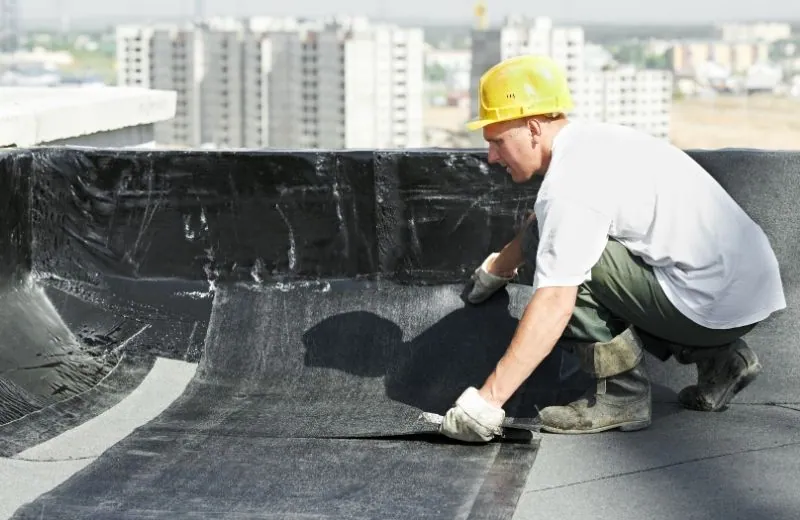
Built-up and modified bitumen roofs use asphalt layers that oxidize under heat and UV. The surface cracks into an 'alligator' pattern, blisters form where trapped moisture expands, and gravel or granules come loose, exposing the asphalt underneath.
Why it's common hereMany postwar and 1980s Tampa buildings still have BUR or mod-bit roofs. The intense, constant heat speeds up asphalt oxidation well beyond what happens in cooler climates. Florida's humidity puts moisture into the roof system during installation and repairs, and the daily heat turns that moisture to vapor, which inflates blisters. Wind scours loose gravel from roof edges during summer storms.
Signs you'll notice- Cracked, alligator-patterned surface
- Blisters or bubbles in the membrane
- Bare spots where gravel or granules are gone
- Split or open mod-bit lap seams
- Brittle flashing at parapets
- Recurring leaks after multiple patch jobs
Typical on Ybor City and Tampa Heights masonry buildings behind parapets, Kennedy and Hillsborough Avenue strip centers, and older warehouses near Port Tampa Bay and in Mango.
Our fix: Core sampling and a moisture survey determine the next step. If the substrate is dry enough, we restore the roof with a coating. If it's saturated or past its life, we tear it off and replace it with a modern system.
Coastal Corrosion of Metal Decks, Fasteners and Panels Serious
Salt-laden air off Tampa Bay and Old Tampa Bay attacks steel decks, fasteners, metal roof panels, edge metal and equipment curbs. Corrosion weakens fastener pull-out strength and can perforate panels and decking.
Why it's common hereConstant humidity speeds the process up, and morning dew leaves a salty film on surfaces. Buildings near the bay get salt air every day, and wet insulation under single-ply membranes keeps steel decks damp from above. Older corrugated and through-fastened metal roofs have thousands of exposed fasteners, and each one can corrode.
Signs you'll notice- Rust streaks on metal panels or edge metal
- Corroded or loose exposed fasteners
- Flaking, pitted steel deck visible from inside
- Rusted HVAC curbs and support stands
- Pinhole leaks in metal panels
- Deck 'give' underfoot in certain areas
Concentrated in Apollo Beach, Gibsonton, Port Redwing, Town 'n' Country, Oldsmar and Safety Harbor, and on marine-industrial buildings around Port Tampa Bay and the Channel District.
Our fix: Fastener replacement, rust treatment with primer and silicone or acrylic coating, deck section replacement where needed, or a standing-seam retrofit with corrosion-resistant metals for long-term coastal performance.
Clogged Gutters, Debris and Algae Buildup Minor
Leaves, oak tassels and windblown debris collect in gutters, drains and roof valleys. Algae and mildew grow quickly on shaded or ponding sections. Both cut drainage capacity and hold moisture against the roof surface.
Why it's common hereTampa's live oaks drop leaves and pollen in spring, and summer storms send debris across rooftops. Humidity and warmth mean algae and mildew grow nearly all year. Dirty surfaces lose reflectivity, which raises cooling costs, and debris dams at drains are a common cause of the sudden overflow leaks we see during heavy afternoon rain.
Signs you'll notice- Gutters overflowing during storms
- Debris piles at drains or valleys
- Dark streaks or green growth on the roof
- Water staining down exterior walls
- Loss of the white, reflective surface
- Plant growth in gutters or on the roof
Most common on tree-lined properties in Hyde Park/SoHo, Temple Terrace, Lutz and Carrollwood, and on church and HOA clubhouse roofs that may not get maintained between storm seasons.
Our fix: Scheduled cleaning of drains, gutters and the roof surface, gutter guard installation, and biocide treatment, all built into a maintenance program before and during the rainy season.
Commercial Roofing Services for Tampa Bay Properties
Your roof's age, deck type, drainage, insurance situation and budget determine which system makes sense, so we don't push one answer for every building. Our services below are grouped by system and scope, and every recommendation is built around Florida Building Code wind requirements and Tampa's heat and rain.
TPO, PVC & EPDM Flat Roofing (Flat Roof Repair & Replacement) ⭐ Specialty
We install, repair and replace single-ply membrane roofs on warehouses, offices, retail centers and industrial buildings, including TPO roofing, PVC and EPDM rubber roofing. That covers full flat roof replacement as well as targeted flat roof repair.
Our approachHeat-welded seams are probe-tested every day. We use tapered insulation to correct drainage, insulation meeting Florida Energy Code R-values, and mechanically fastened, induction-welded or adhered attachment matched to the Florida Product Approval and ASCE 7 wind zone.
In Tampa, FLWhite TPO and PVC reflect Tampa's intense sun and can noticeably lower cooling loads on big-box and distribution buildings along I-4 and I-75. PVC holds up well near restaurant exhaust in Ybor City and Channel District buildings. We schedule tear-offs in sections so we're never left exposed when afternoon storms build.
Best for: Low-slope buildings with saturated insulation or failed membranes, owners who want long manufacturer warranties, and properties that need to show insurers a new, code-compliant roof.
Roof Restoration, Coatings & Waterproofing ⭐ Specialty
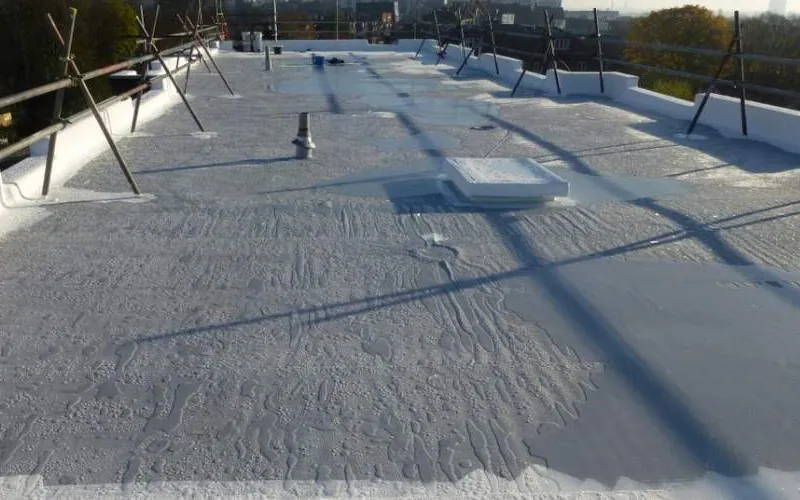
Roof restoration, roof coating application and roof waterproofing extend the life of sound roofs without a tear-off. We apply silicone and acrylic coatings over TPO, mod-bit, BUR and metal, and we reinforce seams and penetrations along the way.
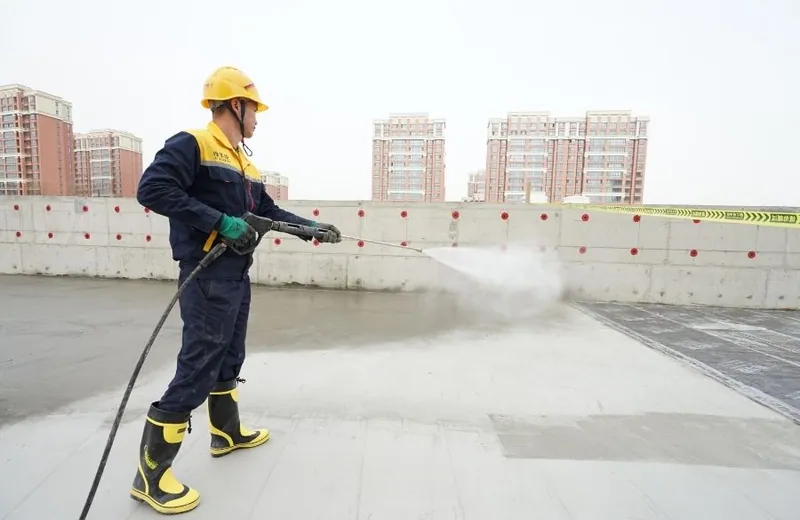
Our approachAn infrared or moisture survey comes first, followed by replacement of wet insulation, pressure washing, primers where needed, and seams and flashings reinforced with fabric. Coating thickness is measured as we apply it. Silicone is used where ponding is a risk, and acrylic where drainage is good.
In Tampa, FLA reflective coating cuts rooftop heat gain through Tampa's long cooling season. Silicone tolerates the brief ponding after summer cloudbursts. Coatings are often the most cost-effective path for 1990s flex buildings in Oldsmar and Westshore that still have a dry substrate. Overlays may need an engineering letter.
Best for: Roofs with mostly dry insulation that are 10–20 years into their life, owners comparing coatings with a full tear-off, and budgets that favor operating expense over capital expense.
Commercial Roof Repair, Leak Detection & Patching
This covers commercial roof repair, roof leak detection and repair, roof patching, roof damage repair and skylight leak repair. We trace water to its real entry point, which is often feet away from the ceiling stain, and fix the cause.
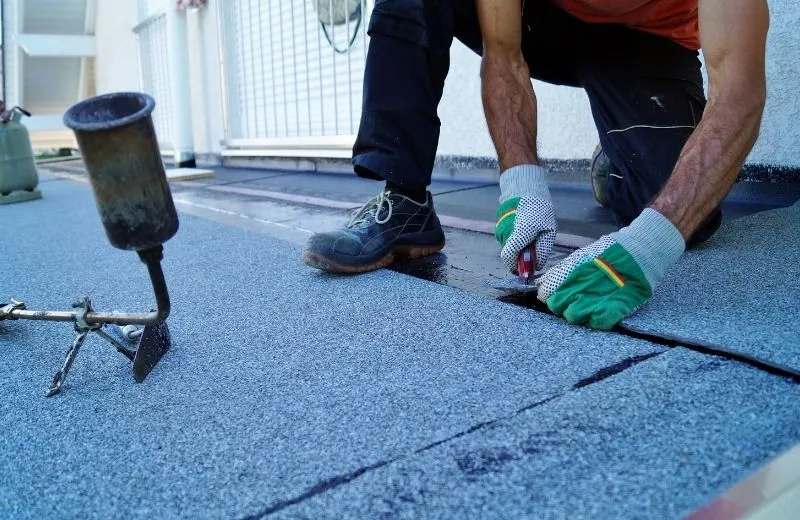
Our approachWe use visual inspection, seam probing, infrared moisture scanning and targeted water testing. Repairs use compatible materials, including welded TPO and PVC patches, mod-bit torch or cold-process repairs and re-flashed skylight curbs, so the repair doesn't void existing warranties.
In Tampa, FLTampa's wet season turns a small seam failure into wet inventory or a tenant complaint within days. We also handle leak repair in the drier months from about November through April, when it's the best time to fix problems before June. Repairs on 2007-or-later code roofs only need the damaged section brought to current code.
Best for: Active leaks, storm-related damage, skylight and penetration leaks, and roofs with plenty of service life left that just need targeted fixes.
Roof Replacement & New Roof Installation
Full commercial roof replacement and new roof installation for buildings that have reached the end of their service life. This includes tear-off, deck repair, insulation, membrane or metal installation, and new edge metal.
Our approachWe handle the permit with the City of Tampa, Hillsborough County, Temple Terrace or the Pinellas cities, document the fastening pattern for in-progress inspections, install edge metal tested to ANSI/SPRI ES-1, and close out with the final inspection and warranty registration.
In Tampa, FLMany 1980s–2000s strip centers and warehouses in Brandon, Mango and Town 'n' Country are aging out at the same time. Replacing during the dry winter months, roughly November through April, reduces weather delays and gets the new roof in place before hurricane season, which also helps at insurance renewal.
Best for: Roofs that are saturated, at the end of their life, uninsurable, or failing in several areas, plus condo associations working on milestone inspection and reserve findings.
Metal Roofing: Standing Seam, Steel, Corrugated & Copper
Metal roof installation and metal roof repair, including standing seam metal roofs, steel roofing, corrugated metal roofing and copper roofing for accent areas, mansards and architectural features.
Our approachWe install concealed-fastener standing seam systems with tested clip spacing, replace corroded fasteners on through-fastened panels, and seal laps and ridges. Metal retrofit framing can go over a failing low-slope roof to add positive drainage.
In Tampa, FLNear Apollo Beach, Gibsonton and Safety Harbor, we choose corrosion-resistant coatings and alloys suited to salt exposure. Copper and standing seam work well on Hyde Park and Ybor-area buildings where historic review commissions approve visible changes.
Best for: Buildings with chronic ponding, coastal properties, churches and clubhouses wanting a long-life roof, and owners planning to hold the property for decades.
Tile & Slate Roofing
Tile roofing repair and replacement, plus slate roof installation, on the steep-slope and mansard sections of mixed-use buildings, HOA clubhouses, churches and garden-style multifamily communities.
Our approachWe use approved underlayments with a secondary water barrier where code requires one. Tiles are attached with foam adhesive or mechanical fasteners according to Florida Product Approval, and broken tiles are replaced with matched profiles.
In Tampa, FLMany condo and apartment communities in Westchase, Riverview and Brandon combine flat roofs with tile mansards. We handle both under one contract so associations get one schedule and one point of accountability.
Best for: Condo and HOA associations, churches, and Mediterranean-style office or retail buildings with steep-slope sections.
Emergency Roof Repair & Roof Tarping
Emergency roof repair, emergency roof tarping and roof tarp installation after hurricanes, tornadoes, lightning strikes and severe thunderstorms. We stop the water first and document the damage.
Our approachWe use secured tarps and temporary membrane dry-ins, take date-stamped photos of all damage, and do interior moisture checks. Then we follow up with a written scope of permanent repairs for your carrier.
In Tampa, FLAfter the 2024 storms, out-of-state storm chasers flooded Tampa Bay. We're a local, bonded and insured team, and the documentation we produce is meant to hold up with Florida carriers under post-SB 2-A claim rules.
Best for: Storm damage, sudden active leaks, blown-off membrane or edge metal, and properties that need claim documentation right away.
Roof Inspection & Maintenance Programs
Roof inspections and scheduled roof maintenance for single buildings and portfolios, including condition reports for insurance underwriting, acquisitions and condo reserve studies.
Our approachInspections include drone and photo documentation, moisture scanning, drain and seam checks, and a prioritized repair list with costs. Maintenance visits happen twice a year and after major storms.
In Tampa, FLWe time visits before June 1 and after the wet season. That catches problems before hurricane season and documents the roof's condition for renewals, which matters when insurers are surcharging roofs older than 15–20 years.
Best for: Property managers, REITs, out-of-state owners and condo boards who need ongoing records and want to avoid surprise capital expenses.
Roof Flashing & Edge Metal
Roof flashing, drip edge flashing, flashing for metal roofs, and steel roof flashing at walls, parapets, curbs, coping and roof edges, where most Tampa leaks and wind failures start.
Our approachWe fabricate custom counterflashing and install coping and edge systems tested to ANSI/SPRI ES-1. Flashing is terminated properly at masonry walls, and metals are chosen to match the exposure.
In Tampa, FLOld Ybor and Tampa Heights parapet walls and older flex buildings often have edge metal that won't survive Hillsborough's design wind speeds. Upgrading it is one of the most cost-effective storm-hardening steps you can take.
Best for: Buildings with perimeter leaks, loose coping after storms, or edge metal that doesn't meet current uplift testing.
Ventilation, Soffit & Fascia, and Gutter Guards
Roof ventilation installation, soffit and fascia installation and gutter guard installation for sloped and mixed-roof commercial buildings, clubhouses, churches and multifamily communities.
Our approachWe balance intake and exhaust ventilation, replace rotted fascia, use aluminum or vented soffit materials, and fit gutter guards sized for heavy-rain capacity.
In Tampa, FLTampa's humidity causes trapped attic heat, mildew and fascia rot. Gutter guards keep oak debris out of gutters that need to carry 2-inch-per-hour downpours.
Best for: Steep-slope sections, tree-heavy sites in Lutz, Temple Terrace and Carrollwood, and buildings with recurring overflow or attic moisture problems.
How a Tampa Commercial Roofing Project Works
Commercial roofing affects tenants, inventory, insurance and budgets. Our five-step process is built to give you clear information early, avoid surprises, and keep your building running while we work.
Inspection & Moisture Survey
- Full walk of the roof surface, drains, flashings, edge metal and penetrations
- Drone and photo documentation of every problem area
- Infrared or core-sample moisture testing to find wet insulation
- Interior check of leak locations and deck condition
Local note: In summer we schedule fieldwork for the morning, before afternoon storms build and lightning makes rooftop work unsafe.
Detailed Report & Options
- Written condition report with annotated photos
- Prioritized repair, restoration and replacement options with costs
- Code, permit and wind-uplift requirements explained
- Financing options reviewed if you need them
Local note: Reports are written so they can go straight to insurers, asset managers or condo boards preparing reserve studies.
Permitting & Scheduling
- Permit filed with City of Tampa, Hillsborough County, Temple Terrace or the relevant Pinellas city
- Product approvals and fastening specifications submitted
- Phased schedule set around tenants, deliveries and operating hours
- Historic district review coordinated when visible changes are planned
Local note: Ybor City, Hyde Park and Tampa Heights projects may need Barrio Latino Commission or Architectural Review Commission approval first.
Installation or Repair
- Roof opened only as far as can be made watertight the same day
- Daily seam testing and quality checks
- Required in-progress and fastening inspections completed
- Site protection, debris control and daily cleanup
Local note: Crews watch radar all day and dry in sections before afternoon thunderstorms. Hurricane-season projects include a storm-securing plan.
Final Inspection, Closeout & Maintenance
- Municipal final inspection passed
- Closeout package with photos, product data and warranty documents
- Documentation for insurance and wind mitigation needs
- Optional maintenance program enrollment
Local note: We recommend a pre-hurricane-season check every May and a follow-up after any named storm.
Why Tampa Property Managers Choose Tampa Commercial Roofing Systems
We Focus on Commercial Low-Slope Roofs, Not Houses
Commercial roofing is our core work. We work on office buildings, warehouses, shopping centers and industrial properties every day, with TPO, PVC, modified bitumen, BUR, silicone and acrylic coatings, and metal retrofits. A residential roofer may know shingles well, but welding seams on a 100,000-square-foot distribution center or diagnosing wet lightweight concrete under 40-year-old BUR takes different skills and equipment. Because we specialize, you get accurate diagnoses, appropriate systems, and crews who know how to work around rooftop HVAC, tenants and loading docks without causing new problems.
Our Systems Are Designed for Tampa's Wind, Heat and Rain
Every project starts with Tampa's conditions: design wind speeds around 140–150+ mph, 1–3-inch-per-hour downpours, and roof surfaces far hotter than the 90°F air. We check wind uplift requirements, seam integrity, drainage capacity and edge metal on every job. That means correcting ponding with tapered insulation, installing coping that meets current uplift testing, and choosing corrosion-resistant metals for buildings near the bay. A roof built for Tampa's real weather lasts longer, performs better in hurricanes, and is easier to insure.
Bonded and Insured, Ready for Commercial Contracts
Tampa Commercial Roofing Systems is bonded and insured, which protects you, your tenants and your property while crews are on the roof. After the 2024 storms brought a wave of out-of-state and unlicensed operators to Tampa Bay, many owners learned the hard way to verify contractors first. We provide proof of insurance up front for your property manager, lender or asset management team. Before you sign with any roofer, you can also verify their Florida roofing license through the DBPR.
Reports Built for Insurers, Boards and Out-of-State Owners
Many Tampa commercial properties are owned by REITs, investors or associations who rarely see the roof. Our inspection reports include annotated photos, drone imagery, moisture findings and prioritized cost options, so a decision-maker in another state can understand the condition and act. The same documentation helps with insurance renewals, wind mitigation needs, acquisition due diligence and condo Structural Integrity Reserve Studies, which matters when carriers increasingly ask for proof of roof condition before renewing coverage.
Phased Scheduling That Keeps Your Business Running
Medical offices in Brandon, retail plazas in Westchase and 24/7 distribution centers along I-4 can't shut down for a roof. We phase work by section, coordinate with tenants about noise and odor, protect entrances and inventory, and only open as much roof as we can make watertight the same day. In summer, crews start early and dry in before afternoon storms roll in. The goal is that your tenants barely notice we're there.
Clear, Itemized Pricing With Financing Available
You'll get written proposals that separate repair, restoration and replacement options and list costs for deck repair, insulation, edge metal and drainage upgrades, with no vague lump sums. We'll tell you honestly when a $3,000 repair or a coating makes more sense than a full tear-off. If the right answer is a larger capital project, financing is available to help spread the cost, which is useful when an insurance deadline forces the timeline.
Fast Storm Response Across a 20-Mile Radius
We serve commercial properties within 20 miles of Tampa, from Oldsmar and Safety Harbor to Dover, and from Lutz down to Apollo Beach. When a hurricane, tornado or severe thunderstorm damages your roof, we can come out for emergency tarping and dry-in, then document the damage for your claim. Being local means we're here before the storm and after it, and we'll be around to answer warranty questions years later.
A Bonded, Insured Commercial Roofing Partner in Tampa Bay
Property managers, facility directors and association boards across Hillsborough County count on us for straightforward inspections, detailed documentation and roofs built to handle Tampa's storms, with phased work that keeps their buildings running.
Bonded • Insured • Financing available
Commercial Roofing Service Areas Across Tampa Bay
We serve commercial, industrial, institutional and multifamily properties within a 20-mile radius of Tampa. That includes the urban core, the I-4 logistics corridor, the bay-side South Shore and the Upper Tampa Bay communities. Each area comes with its own building types, permitting office and weather exposure.
Tampa & North Hillsborough
East Hillsborough & I-4 Corridor
South Shore & Bayfront
Northwest Hillsborough & Upper Tampa Bay
Not sure if we cover your area? Call (813) 536-6670.
Commercial Roofing Costs in Tampa: What to Expect
Commercial roofing costs in Tampa depend on roof size, condition, system type and code requirements, so per-square-foot averages only go so far. Here's what actually moves the price, along with realistic ranges from typical Tampa Bay projects.
Existing Roof Condition & Wet Insulation Primary Factor
The biggest variable is what's under the membrane. If a moisture survey shows mostly dry insulation, you may qualify for a coating restoration at a fraction of the cost of replacement. If Tampa's humidity and years of small leaks have saturated the insulation, it has to come out, because wet insulation loses R-value, rusts steel decks and can grow mold. Multiple existing roof layers add tear-off and disposal costs too.
System Type: Coating, Single-Ply or Metal Primary Factor
Silicone and acrylic restorations usually cost the least per square foot. TPO is typically the most economical full replacement, PVC costs somewhat more for chemical and grease resistance, and standing seam metal costs the most upfront but offers the longest service life. Membrane thickness (for example 60 vs. 80 mil), insulation thickness to meet Florida Energy Code R-values, and manufacturer warranty length all change the price within each system.
Wind Code Compliance & Edge Metal Secondary Factor
Hillsborough's 140–150+ mph design wind speeds require tighter fastening patterns in perimeter and corner zones, Florida Product Approved assemblies, and edge metal tested to ANSI/SPRI ES-1. Buildings with tall parapets, large open warehouse spans or bayfront exposure need more fasteners and heavier coping. These upgrades add cost, but they also give your roof its best chance in a hurricane and improve insurability.
Drainage Corrections & Deck Repairs Secondary Factor
Fixing ponding with tapered insulation crickets, new drains or added scuppers adds cost, but it protects your warranty and the roof's lifespan. Corroded steel decks near the coast or deteriorated lightweight concrete on older buildings may need sections replaced, and that's usually priced per square foot once the roof is opened. Settled buildings in east Hillsborough may also need an engineer's evaluation.
Access, Phasing & Penetrations Variable Factor
Occupied buildings that need phased work, after-hours schedules or extra protection for tenants and inventory cost more than empty warehouses. Crane access in tight urban sites like Downtown or Ybor City, dozens of rooftop HVAC units to re-flash, and historic district requirements all affect labor. Permit fees also vary between the City of Tampa, Hillsborough County, Temple Terrace and the Pinellas cities.
| Typical project | Details | Estimated range |
|---|---|---|
| Leak repair at HVAC curbs and seams | Retail strip center in Carrollwood or Brandon; re-flash 2–4 rooftop units, re-weld open seams, clear drains | $900 – $4,500 |
| Emergency tarping and storm dry-in | Mid-size office or flex building after hurricane or tornado damage; temporary dry-in plus photo documentation for the claim | $1,500 – $9,000 |
| Silicone coating restoration | 25,000 sq ft warehouse in the Mango/Seffner I-4 corridor; dry substrate, limited wet-insulation replacement, seam reinforcement | $85,000 – $150,000 |
| Full TPO tear-off and replacement | 20,000 sq ft Westshore or Town 'n' Country office/flex building; new tapered insulation to code, 60-mil TPO, ES-1 edge metal, permit | $170,000 – $290,000 |
Financing is available for repairs, restorations and full replacements, so you can protect your building and keep your insurance in place without waiting for next year's capital budget. A Tampa roof that's documented, wind-rated and reflective does more than stop leaks. It makes coverage easier to get or keep, lowers cooling costs, protects tenants and inventory, and supports property value at refinance or sale.
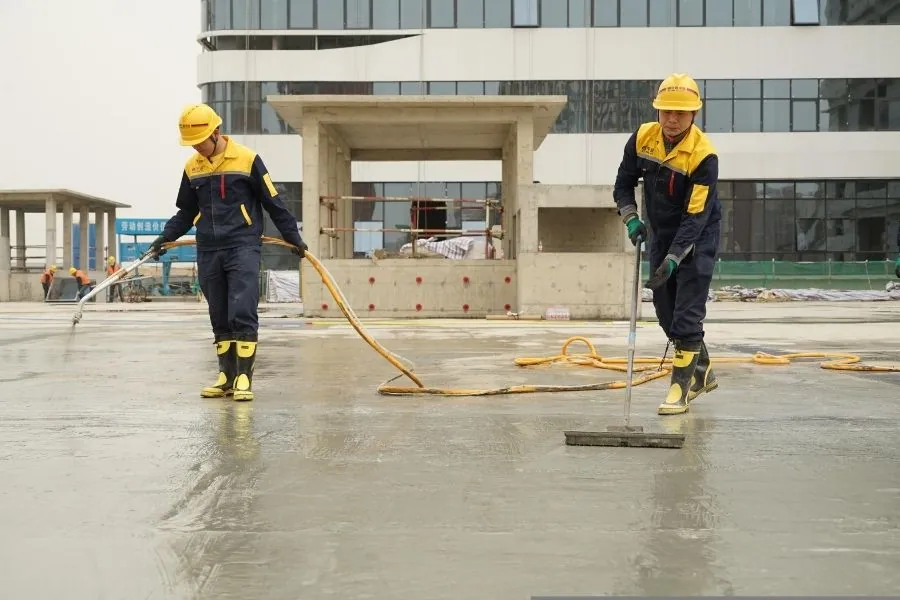
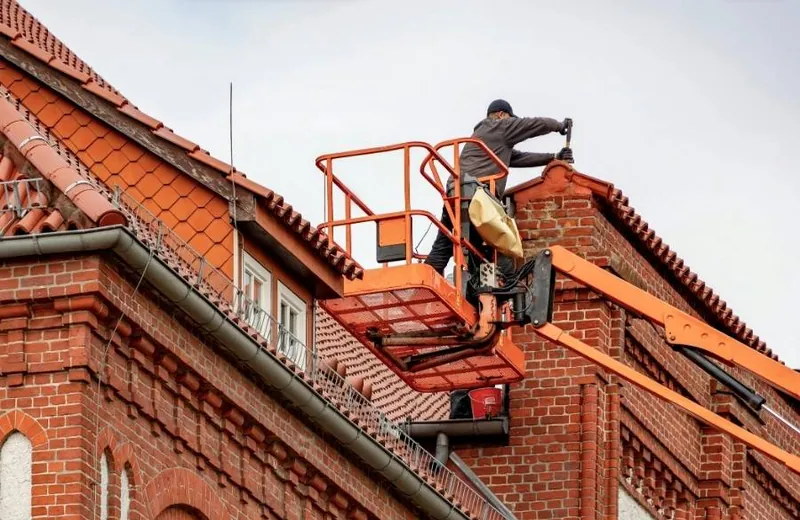
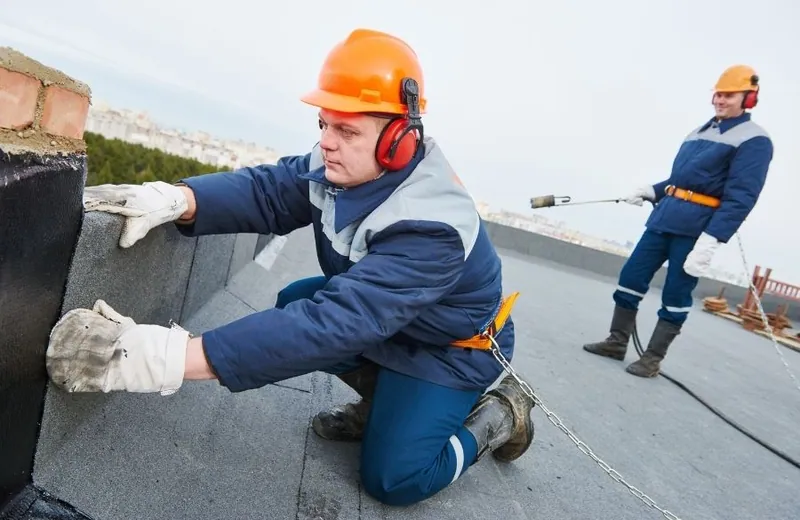
Recent commercial-roofing Projects in Tampa, FL
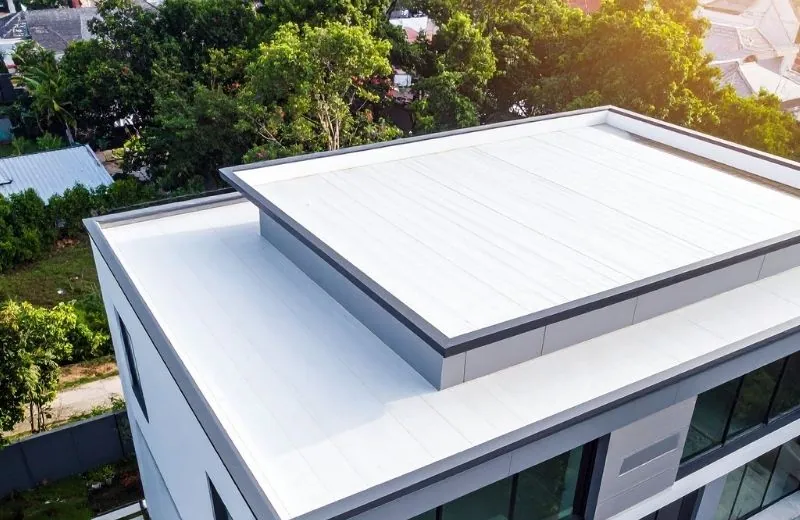
Commercial Roofing FAQs for Tampa Property Owners
How much does a commercial roof replacement cost in Tampa?
Most full commercial replacements in Tampa fall roughly between $8 and $15 per square foot. TPO and PVC tear-offs on mid-size buildings usually land in the middle of that range, and standing seam metal runs higher. Silicone or acrylic coating restorations often cost about $3.50 to $6 per square foot when the existing insulation is mostly dry. The final price depends on wet insulation, deck condition, drainage corrections, wind-code edge metal, and how much phasing an occupied building needs. We give itemized proposals after an inspection, and financing is available for larger projects.
How long does a commercial roofing project take?
Most repairs take one to three days. A coating restoration on a 20,000–40,000 square foot roof typically takes one to three weeks, and full tear-off replacements can take two to six weeks or more depending on size, phasing and weather. Permitting through the City of Tampa or Hillsborough County can add a week or more before work starts. In summer, afternoon thunderstorms can shorten working days, so we start early and only open as much roof as we can seal the same day. Dry-season projects from November through April usually move fastest.
Do I need a permit to repair or replace a commercial roof in Tampa?
Yes, for reroofing and most repairs beyond minor patching. Permits come from City of Tampa Construction Services, Hillsborough County Development Services for unincorporated areas like Brandon, Riverview and Lutz, the City of Temple Terrace, or Pinellas cities like Oldsmar and Safety Harbor. Projects usually require in-progress fastening inspections and a final inspection. Under the 2022 change to Florida's 25% rule, if your existing roof was built to the 2007 code or later, only the repaired section has to meet current code. Historic districts like Ybor City and Hyde Park also need design review.
Should I coat my existing roof or replace it?
It depends on what's under the surface. If an infrared or core moisture survey shows the insulation is mostly dry and the deck is sound, a silicone or acrylic restoration can add years of life at a fraction of the cost of replacement. It also adds reflectivity, which helps with Tampa's cooling bills. If large areas of insulation are saturated, the deck is corroded, or there are already multiple roof layers, coating over those problems just traps them, and replacement is the better investment. We'll show you the moisture data and lay out both options honestly.
When should I call a roofer instead of waiting?
Call right away if you have an active leak, visible storm damage, lifted edge metal or coping, or membrane billowing in the wind. In Tampa's rainy season, daily storms turn a small opening into soaked insulation, mold and damaged inventory within days. You should also schedule an inspection if water stays on the roof more than 48 hours after rain, if your roof is approaching 15–20 years old, or if your insurer has asked for a roof condition report. Waiting usually turns a repair into a replacement.
How can I prevent roof problems before hurricane season?
Schedule an inspection and maintenance visit in spring, before June 1. Clear drains, scuppers and gutters, re-secure or upgrade edge metal and coping, re-weld open seams, re-flash HVAC curbs, and remove loose rooftop debris that could turn into a projectile. Make sure rooftop equipment is properly anchored. Keep dated photo documentation of the roof's pre-storm condition, because it makes insurance claims much smoother. After any named storm or severe thunderstorm, get a follow-up check even if you don't see leaks, since uplift damage often starts small and gets worse.
Will a new roof help with my commercial property insurance?
Often, yes. Since Ian, Helene and Milton, Florida carriers have been non-renewing or surcharging commercial buildings with roofs older than about 15–20 years, and many now require roof condition reports before writing or renewing coverage. A documented, code-compliant roof with Florida Product Approved components and properly tested edge metal is easier to insure. Even when you don't need a replacement, a detailed inspection report and repair records can support your renewal. Coverage decisions are always up to your carrier, so share our documentation with your agent.
What should I do immediately after storm damage to my roof?
First make sure everyone's safe, and keep people off a damaged roof. Then photograph interior damage and move inventory or equipment away from leaks. Call us for emergency tarping or a temporary dry-in to stop more water from getting in, because insurers expect owners to take reasonable steps to prevent further damage. We'll document the roof damage with date-stamped photos and prepare a written repair scope. Be cautious with door-knocking crews after storms, and verify any contractor's Florida license through the DBPR and ask for proof of insurance before signing anything.
Serving Tampa, FL & Nearby
Schedule Your Tampa Commercial Roof Inspection Today
Hurricane season, insurance renewals and daily summer storms leave aging roofs little room for error. Find out exactly where your roof stands, with photos and clear options, before the next storm decides for you.
- ✓A full rooftop inspection with drone and photo documentation
- ✓A moisture survey to find hidden wet insulation
- ✓A written report with prioritized repair, restoration and replacement options
- ✓Itemized pricing with financing available
- ✓Documentation you can share with insurers, owners and condo boards
- ✓Phased scheduling that keeps tenants and operations running
- ✓A bonded and insured team that knows Tampa's wind and drainage requirements
⚡ Storm damage or an active leak? Call now for emergency roof tarping and dry-in to stop the water and start documenting your claim.
Bonded • Insured